Lifestyle
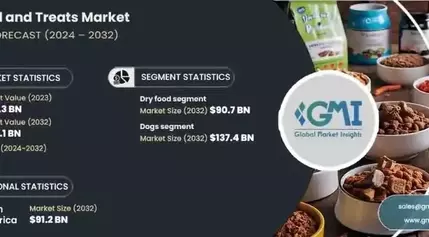
The pet food and treats market is experiencing a remarkable transformation, driven by the rising trend of pet humanization and heightened awareness among pet owners regarding their pets' nutritional needs. As the industry evolves, it is increasingly influenced by consumer preferences for health, sustainability, and personalization, presenting a wealth of opportunities for businesses to capitalize on.
Unleashing the Power of Pet Pampering: Trends Shaping the Industry
The Rise of Premium and Specialized Pet Foods
The pet food and treats market is witnessing a surge in demand for premium and specialized products that cater to the specific dietary needs of pets. This trend is fueled by the growing perception of pets as integral family members, leading pet owners to invest in high-quality, tailored solutions. From grain-free and organic options to hypoallergenic choices, the market is responding to the increasing desire for personalized pet nutrition.Embracing Natural and Organic Alternatives
Mirroring the broader human wellness movement, the pet food and treats market is witnessing a significant shift towards natural and organic products. Data from the American Pet Products Association (APPA) reveals a remarkable surge in natural pet food sales, with over 40% of pet owners favoring products devoid of artificial ingredients. This trend underscores the growing emphasis on holistic pet care and the demand for clean, sustainable options.Diversifying the Product Landscape
The pet food and treats market encompasses a wide range of product types, including cookies, biscuits, snacks, canned food, bones, dry food, sticks, and even freeze-dried options. The dominance of dry food can be attributed to its convenience, extended shelf life, and cost-effectiveness, making it a popular choice among pet owners. However, the market is also witnessing the rise of alternative formats, catering to the diverse preferences and needs of pet owners.Catering to the Canine Craze
The pet food and treats market is heavily influenced by the global popularity of dogs, particularly in regions like North America and Europe. With nearly 70% of households in the U.S. owning at least one pet, as reported by the American Pet Products Association (APPA), the demand for dog-specific products has soared. Manufacturers are responding by developing innovative offerings tailored to the unique dietary requirements and preferences of our canine companions.Navigating the Regional Landscape
North America has emerged as the leading region in the pet food and treats market, amassing a significant revenue of USD 45.9 billion in 2023. This dominance can be attributed to a combination of high pet ownership rates and a deep-rooted cultural emphasis on pet care. As the market continues to evolve, businesses must closely monitor regional trends and consumer preferences to capitalize on the diverse opportunities across the globe.Driving Innovation and Sustainability
The pet food and treats market is not only responding to consumer demands but also actively shaping the industry through technological advancements and a focus on sustainability. Manufacturers are investing in research and development to create innovative products that address the specific needs of pets, while also prioritizing eco-friendly practices and ethical sourcing to meet the growing consumer demand for sustainable solutions.Navigating the Competitive Landscape
The pet food and treats market is home to a diverse array of players, including industry giants like Nestlé Purina PetCare Company, Mars Petcare US, Inc., The J.M. Smucker Company, General Mills, Inc., and Hill's Pet Nutrition, Inc. These established players are continuously adapting to the changing market dynamics, leveraging their expertise and resources to maintain their competitive edge. Newcomers and smaller players are also making their mark, introducing innovative products and disrupting the status quo, driving the industry forward.As the pet food and treats market continues to evolve, businesses must stay attuned to the shifting consumer preferences, technological advancements, and sustainability trends to capitalize on the vast opportunities that lie ahead. By embracing the power of pet humanization, catering to the diverse dietary needs of pets, and prioritizing sustainability and innovation, industry players can unlock the true potential of this dynamic and rapidly growing market.