Lifestyle
Embracing the Imperfect: Celebrating the "Good Kids" Who Struggle
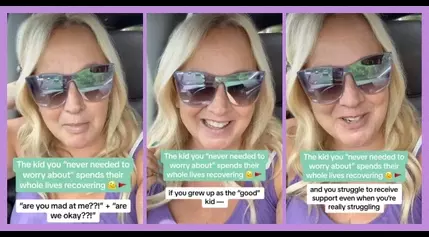
Growing up, you may have been the "good kid" - the one who never caused any trouble, always did their homework, and made everyone around them feel at ease. But as a licensed social worker and TikTok creator Maggie Nick (@maggiewithperspectacles) reveals, this "good kid" persona often masks a deeper struggle with anxiety, people-pleasing, and a relentless pursuit of perfection. In a viral video, Nick offers a powerful message of validation and self-acceptance for those who have long carried the burden of being the "good one."Unmasking the Struggles of the "Good Kid"
The Anxious Watcher
As Nick describes, the "good kid" is often hyper-vigilant, constantly monitoring the moods and reactions of those around them. They live in fear of doing something wrong or upsetting someone, their bodies perpetually in a state of fight-or-flight. Setting boundaries and asserting themselves can feel like an insurmountable challenge, as they dread the potential consequences of displeasing others.The Relentless People-Pleaser
The "good kid" is a master of people-pleasing, going to great lengths to ensure that everyone around them is happy and satisfied. They apologize profusely, even for the smallest perceived missteps, and are terrified of letting anyone down or disappointing them. Their own needs and feelings often take a backseat as they strive to maintain the image of the perfect, problem-free child.The Bottled-Up Empath
Beneath the surface, the "good kid" is often a deeply empathetic individual who struggles to express their own emotions. They bottle up their feelings, putting on a brave face and insisting that "everything's fine" even when they are clearly struggling. When the weight of their unexpressed emotions becomes too much to bear, they may turn to unhealthy coping mechanisms, such as emotional eating, to find temporary relief.The Reluctant Caregiver
The "good kid" is often the one who provides support and comfort to others, but they find it incredibly difficult to ask for or receive help themselves. They may feel like a burden, even when their loved ones are more than willing to offer the care and understanding they so desperately need.The Pursuit of Perfection
At the heart of the "good kid" experience is a relentless drive for perfection. They believe that they must earn love and acceptance through their flawless behavior and unwavering accomplishments. The idea of being "not okay" or struggling with their mental health is often deeply shameful and unacceptable, leading to a constant battle to maintain the illusion of having it all together.The Cathartic Realization
In her viral video, Maggie Nick offers a powerful message of validation and self-acceptance for the "good kids" of the world. She assures them that they are not a burden, that their struggles are valid, and that it is perfectly okay to not be okay all the time. She reminds them that they are easy to love, and that it is a privilege and an honor for those around them to support them when they are in need.For many viewers, Nick's words struck a deep chord, resonating with their own experiences and providing a much-needed sense of relief and understanding. As one commenter expressed, "The end of this video had me in tears. I guess I needed to hear all that and didn't know it."In a world that often values perfection and conformity, Maggie Nick's message is a powerful reminder that true strength and resilience lie in embracing our imperfections and allowing ourselves to be vulnerable. By shedding the burden of being the "good kid," individuals can begin to cultivate self-compassion, set healthy boundaries, and find the support they need to thrive.